
Curtain Bangs vs Fringe: Which One Suits You (and Your Styling Routine)?
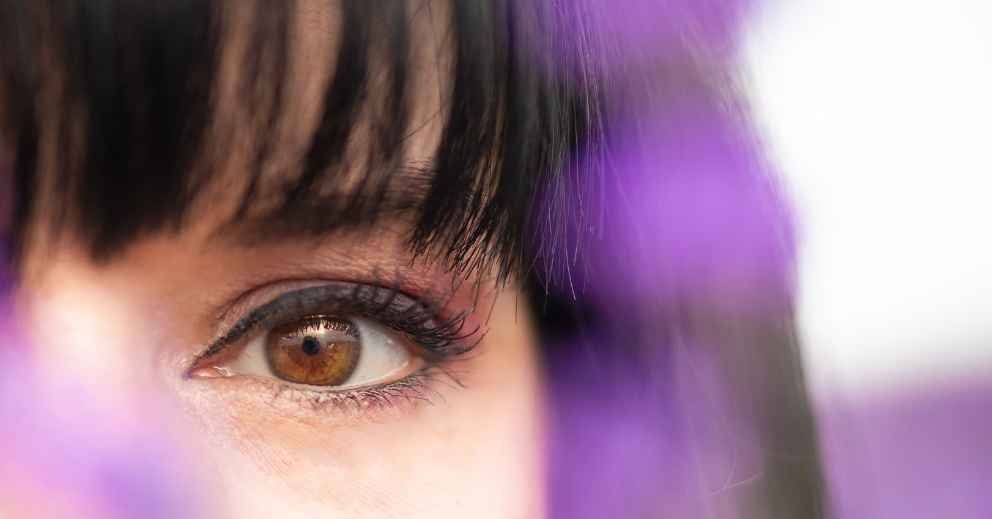
Changing your hairstyle can completely transform your look, and one of the easiest ways to refresh your appearance is by adding bangs or a fringe. But deciding between curtain bangs and a classic fringe can feel surprisingly difficult. While both styles frame the face beautifully, they create very different looks and come with different styling and maintenance needs.
For some people, curtain bangs offer the perfect soft and effortless feel. For others, a traditional fringe delivers the bold, polished style they are looking for. The right choice often depends on your face shape, hair texture, lifestyle, and how much time you want to spend styling your hair each morning.
At Tyco Creative, the experienced team of stylists works closely with clients to create personalised hairstyles that feel both flattering and practical. Combining technical expertise with creative vision, the salon focuses on helping each client find a style that suits their individuality and everyday routine.
Summary: Curtain bangs and traditional fringes are both stylish ways to frame the face, but they offer different looks and levels of maintenance. Curtain bangs are softer, longer, and blend naturally into the hair, making them easier to grow out and style casually. A traditional fringe creates a stronger, more structured look that can make a bold statement but often requires more regular styling and trims. The best option depends on your face shape, hair texture, and lifestyle. Choosing a style that suits both your features and your daily routine can make styling feel easier and more enjoyable in the long run.
What Are Curtain Bangs?
Curtain bangs are longer bangs that part through the middle or slightly off-centre, creating a soft frame around the face. Their relaxed shape gives them a more effortless appearance compared to a blunt fringe, which is one reason they have become so popular in recent years.
Because they blend gradually into the rest of the haircut, curtain bangs tend to feel more versatile and lower maintenance.
Some of the reasons people love curtain bangs include:
They suit many face shapes
They work well with layered hairstyles
They are easier to grow out
They can be styled casually or polished
They are simple to tuck behind the ears when needed
Curtain bangs are especially popular for people wanting a softer, lived-in hairstyle without committing to a dramatic fringe.
What Is a Traditional Fringe?
A traditional fringe sits shorter across the forehead and creates a more defined, structured look. Depending on the cut, a fringe can feel classic, edgy, polished, or fashion-forward.
Fringes often become the focal point of the hairstyle, drawing attention to the eyes and facial features. They can completely change the shape and feel of a haircut, which is why they remain a timeless salon choice.
Popular fringe styles include:
Wispy fringes
Side-swept fringes
Textured fringes
While fringes can look striking, they usually require more regular upkeep to maintain their shape and sit correctly throughout the day.
Which Style Is Easier to Maintain?
Maintenance is one of the biggest differences between curtain bangs and a fringe.
Curtain bangs are generally easier to manage because they blend naturally into the haircut as they grow. Even when slightly overdue for a trim, they often continue to sit nicely around the face. They also work well with tied hairstyles and can be styled with minimal effort.
Traditional fringes usually need more attention. Depending on your hair type, they may require daily blow-drying or styling to keep them smooth and in place. Humidity, exercise, and natural oils can also affect how they sit throughout the day.
If you prefer a lower-maintenance hairstyle, curtain bangs may be the more practical choice. If you enjoy styling your hair daily and like a more polished finish, a fringe may suit you better.
How Face Shape Influences Your Choice
Face shape can help determine which style feels the most balanced and flattering.
Curtain bangs are known for softening facial features and creating movement around the face. They often suit:
Round faces
Oval faces
Heart-shaped faces
Longer face shapes
Traditional fringes can create more structure and definition, particularly for people wanting a bold style change.
A fringe may work especially well for:
Longer face shapes
Angular features
Structured haircut styles
The most important factor is personalisation. A skilled stylist can tailor the shape, thickness, and length to suit your individual features rather than following trends alone.
Hair Texture and Daily Styling Habits
Hair texture also plays an important role in how bangs or a fringe will sit naturally.
Curtain bangs often work beautifully with textured, wavy, or voluminous hair because they allow natural movement through the front of the haircut. Fringes, particularly blunt styles, usually sit best on smoother hair textures that hold shape more easily.
It is also important to think realistically about your styling habits. Before choosing a new style, ask yourself:
How much time do I spend styling my hair each morning?
Do I like using heat tools regularly?
Am I comfortable booking frequent trims?
Do I prefer effortless or polished hairstyles?
Your answers can help guide you toward a style that feels manageable long-term.
Why Professional Advice Matters
Choosing between curtain bangs and a fringe is not only about following trends — it is about finding a hairstyle that complements your face shape, hair texture, and lifestyle.
At Tyco Creative, stylists take the time to understand each client’s preferences, styling habits, and hair goals before recommending a tailored approach. This personalised consultation helps ensure your haircut feels practical, flattering, and easy to maintain between salon visits.
Find the Perfect Fringe Style With Expert Hair Advice
If you are considering curtain bangs or a fringe, professional advice can help you choose a style that complements your features, hair texture, and daily styling routine.
The experienced team at Tyco Creative combines creativity, technical expertise, and personalised consultation to deliver haircuts tailored to each client’s individual style and lifestyle.
Book your appointment today and discover a fresh new look designed to suit you perfectly.
Key Takeaways
Curtain bangs create a softer, more relaxed look and are generally lower maintenance.
Traditional fringes offer a bolder and more structured appearance.
Hair texture, face shape, and styling habits all influence which option may suit you best.
Curtain bangs are easier to grow out and style casually.
Fringes often require more frequent trims and daily styling.
Professional advice can help you choose a style that works with your lifestyle and hair goals.
FAQ
Are curtain bangs easier to maintain than a fringe?
Yes. Curtain bangs are usually easier to manage because they blend naturally into the haircut and grow out more softly.
Do curtain bangs suit all face shapes?
Curtain bangs are highly versatile and can suit many face shapes when tailored correctly by a stylist.
Does a fringe require daily styling?
In many cases, yes. Traditional fringes often need regular styling to maintain their shape and avoid separating throughout the day.
Can I tie my hair back with curtain bangs?
Yes. Curtain bangs can often be tucked behind the ears or blended into tied-back hairstyles more easily than shorter fringes.
How often should bangs be trimmed?
Fringes generally require more regular trims, while curtain bangs can often go longer between salon appointments.